Brisbane’s river paths, parkrun courses and mild climate make it a popular city for runners, from weekend joggers to marathon trainers. But as running volume and intensity increase, so does the risk of overuse injuries. Three of the most common are shin splints, iliotibial (IT) band syndrome and runner’s knee. This guide explains what each injury is, why it tends to develop, and how a broader management approach including sports chiropractic care may help support recovery.
Why Overuse Running Injuries Happen
Running injuries usually aren’t caused by a single bad step. They tend to build gradually when the load placed on the body distance, pace, hills, frequency increases faster than muscles, tendons and joints can adapt. Common contributing factors include rapid increases in weekly mileage, inadequate recovery between sessions, muscle or strength imbalances, worn or unsuitable footwear, and running technique or biomechanics. Understanding these factors is often the first step in managing, and reducing the risk of, overuse injuries.
Common Overuse Running Injuries
Shin Splints (Medial Tibial Stress Syndrome)
Shin splints refer to pain along the inner edge of the shin bone (tibia), typically felt during or after running. It’s one of the most commonly experienced running complaints and often develops when training load increases too quickly, particularly on hard surfaces such as concrete footpaths. Contributing factors can include worn footwear, a sudden increase in distance or intensity, and reduced lower-leg strength or flexibility.
IT Band Syndrome
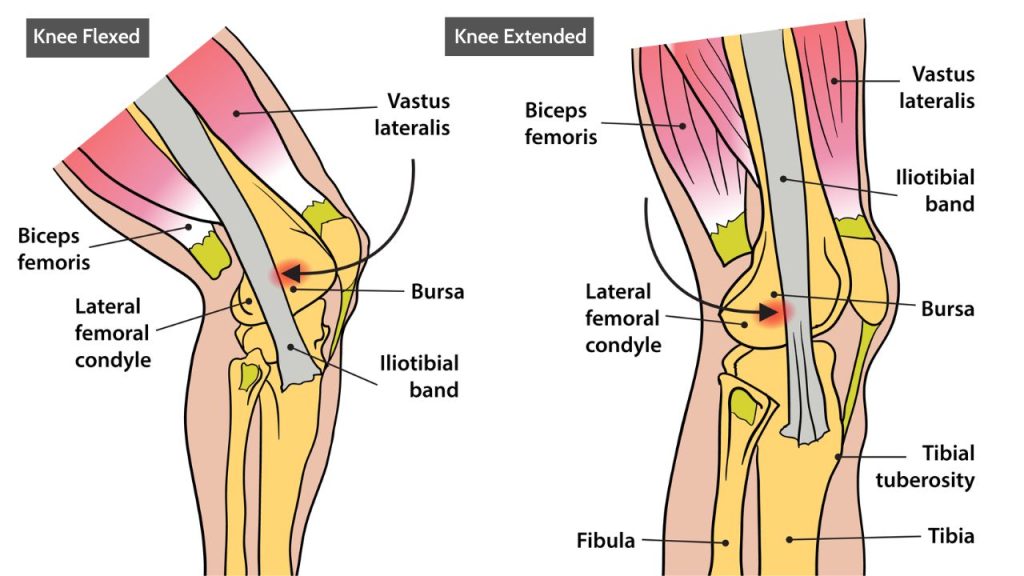
The iliotibial (IT) band is a band of connective tissue that runs from the hip down the outside of the thigh to just below the knee. IT band syndrome typically presents as a sharp or aching pain on the outside of the knee that builds during a run, particularly over longer distances or downhill sections. It’s commonly associated with hip and glute weakness, training errors, and running on cambered surfaces.
Runner’s Knee (Patellofemoral Pain)
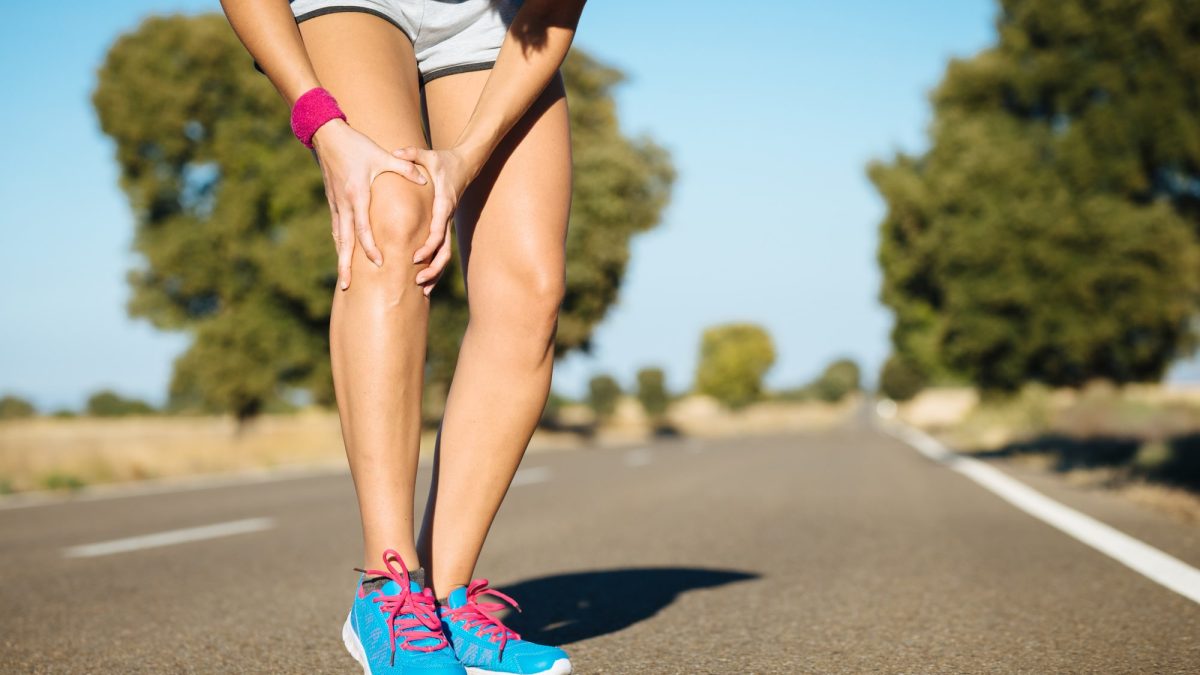
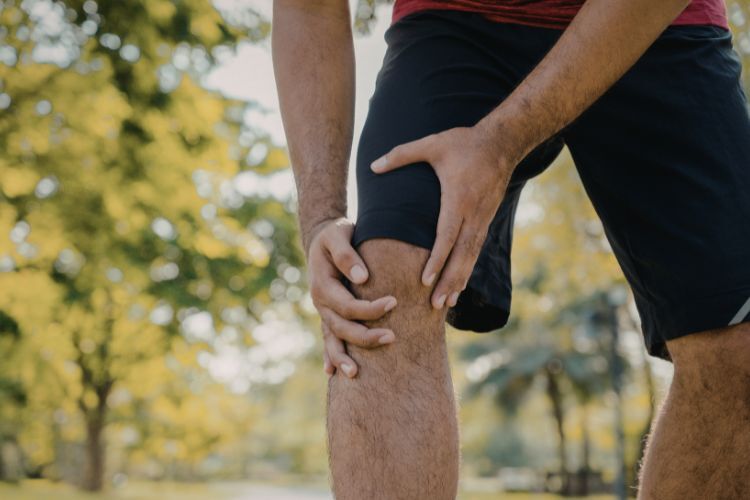
Runner’s knee, also known as patellofemoral pain, is felt around or behind the kneecap and is often aggravated by downhill running, stairs, squatting or prolonged sitting. It’s frequently linked to reduced quadriceps or hip strength, and to training loads that increase faster than the knee’s capacity to adapt.
How Sports Chiropractic Care May Support Recovery
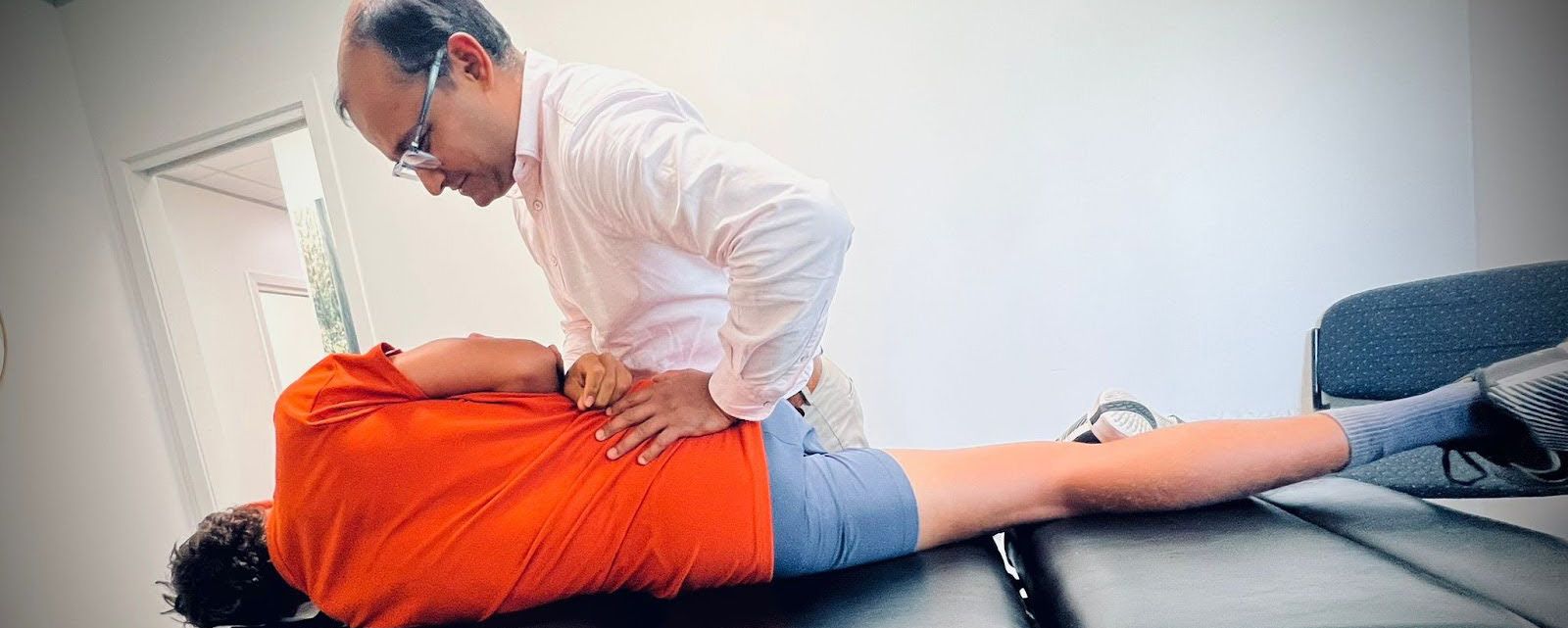
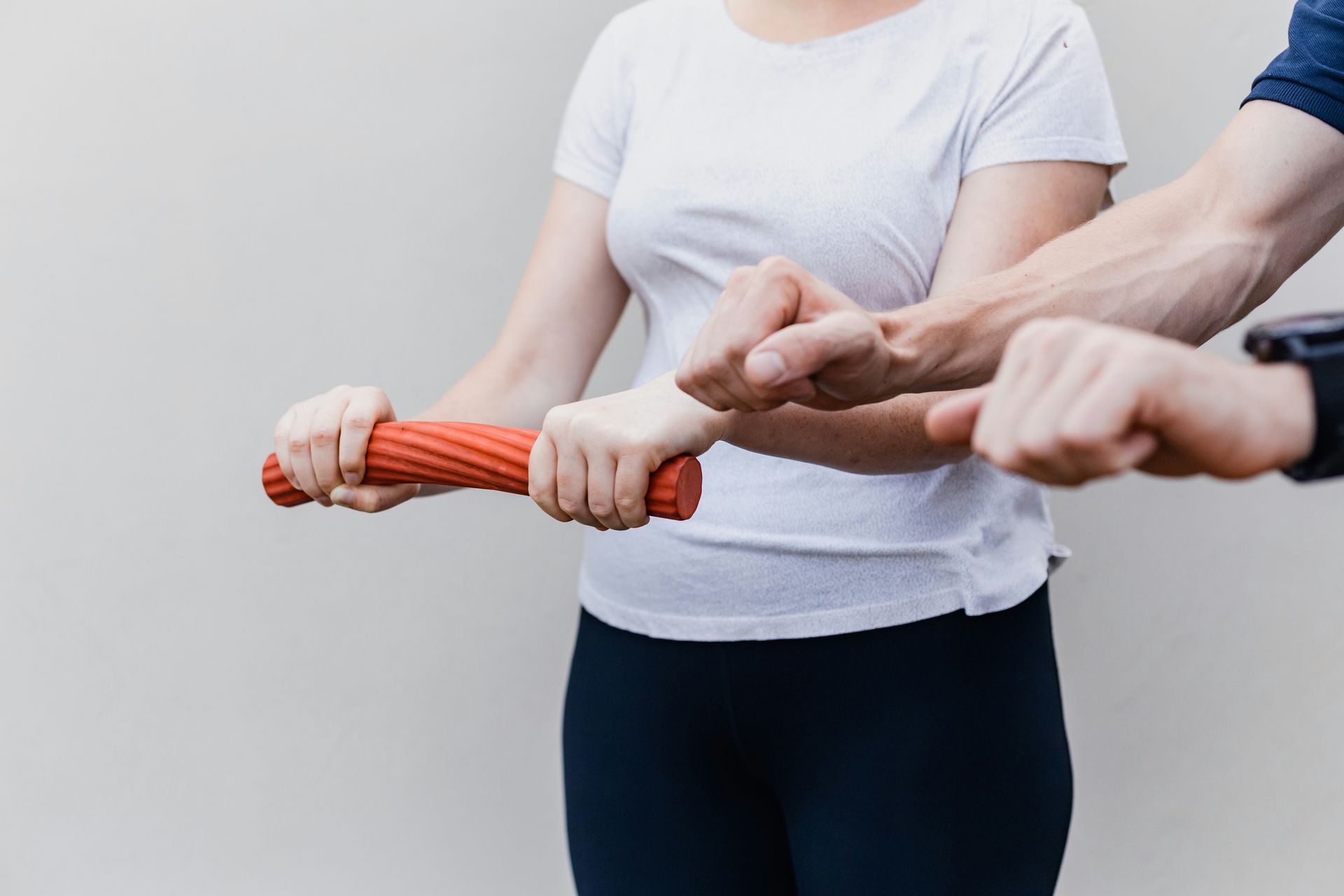
Sports chiropractic care can form part of a broader approach to managing overuse running injuries. At Equilibrium Family Wellness, Dr Richard Kashmiri conducts a comprehensive assessment to help identify factors that may be contributing to your pain-including joint mobility, muscle strength and movement patterns. Treatment approaches used in sports chiropractic may include joint mobilisation, soft tissue release and rehabilitation exercises, designed to support movement and recovery alongside broader training adjustments.
Research indicates that chiropractic care may help improve flexibility, movement and biomechanics relevant to sports performance and recovery. [1,2,3] This is intended to complement, not replace, sound training practices and where appropriate the guidance of your broader healthcare team.
Learn more on our Sports Chiropractic & Knee Care page.
Reducing Your Risk of Overuse Running Injuries
- Increase weekly running volume gradually rather than in large jumps
- Include rest days and lower-intensity weeks in your training plan
- Incorporate strength work for the hips, glutes and calves
- Replace worn running shoes and vary training surfaces where possible
- Warm up before runs and allow adequate recovery between sessions
These are general training principles rather than guarantees against injury every runner’s body responds differently to training load.
When to Seek a Professional Assessment
Some muscle soreness after a run is normal. However, it may be worth seeking an assessment if you notice pain that persists for more than a few days, worsens during or after running, changes your running gait, or doesn’t settle with rest. Identifying contributing factors early can support a more informed approach to managing your training.
Frequently Asked Questions
Sports chiropractic care may form part of a broader management approach for shin splints, alongside training load adjustments and strength work. An individual assessment can help identify factors that may be contributing to your symptoms.
IT band syndrome typically causes pain on the outside of the knee, while runner’s knee (patellofemoral pain) is usually felt around or behind the kneecap. Both are common overuse injuries in runners and can share contributing factors such as hip weakness and training load.
Recovery time varies from person to person, depending on the injury, its severity and contributing factors. A health professional can help assess your individual circumstances and discuss what a suitable management approach might involve.
Ready for an Assessment?
If shin, knee or IT band pain is affecting your running, Dr Richard Kashmiri at Equilibrium Family Wellness in Indooroopilly offers sports chiropractic assessments tailored to your training and goals.
Book an appointment or learn more about our sports chiropractic care.
References
1. Mohamed Saad, Eman Zaghloul, Larion Alin, Mihailescu Liviu, Anale Efs 2020. analefefs.ro
2. “Chiropractic Treatment in Sports: Systematic Review of Randomized Controlled Trials,” ResearchGate.
3. Bronfort G, DC, PhD, et al. “Effectiveness of manual therapies: the UK evidence report,” Chiropractic & Osteopathy 2010, 18:3.